Chiropractic Care
Gentle techniques. Personalized to you.
Dr. Indya Hood selects each approach around your body, comfort, goals, and stage of life—never from a one-size-fits-all routine.
What is chiropractic?
Care for movement, joints, and the nervous system.
Chiropractic is a hands-on healthcare profession focused on the musculoskeletal system, especially the spine, and how joint function relates to movement and everyday comfort. Care may include adjustments, low-force instrument techniques, soft-tissue work, movement guidance, and education.
Balanced River Chiropractic provides gentle chiropractic care in Kennesaw for adults, children, and growing families. People commonly visit Dr. Hood to discuss back pain, neck pain, sciatica, headaches, jaw or TMJ-related tension, mobility, pregnancy comfort, and overall wellness. Individual results vary, and care recommendations follow a personal assessment.
Your visit begins with a health history and assessment. Dr. Hood explains the recommended technique, answers questions, and asks for your consent before care begins.
Techniques used in the office
Four approaches, thoughtfully applied.
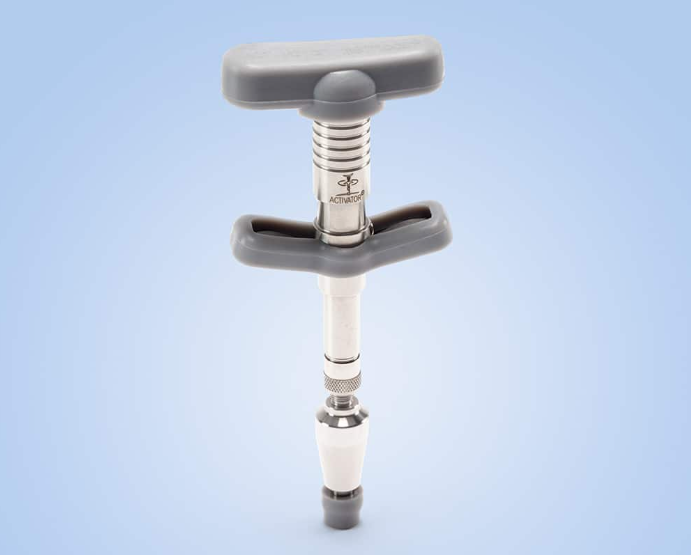
Activator Technique
The Activator Method uses a handheld instrument to deliver a quick, controlled, low-amplitude impulse to a specific joint or spinal segment. It offers a gentle, targeted alternative to a manual adjustment and can be adapted after an age-appropriate clinical assessment.
Explore Activator researchNetwork Spinal Analysis
Network Spinal Analysis—also called Network Care—is a gentle approach that uses light contacts at specific points along the spine. The method is intended to help patients develop greater awareness of tension patterns and their responses to stress. It emphasizes nervous-system regulation and body awareness rather than forceful manipulation.
Experiences and outcomes vary, and evidence for specific health claims remains limited.
Learn more about Network Spinal Analysis
Thompson Technique
The Thompson Technique uses cushioned sections built into a chiropractic table that drop a short distance during an adjustment. This movement works with the applied force, allowing Dr. Hood to deliver a focused, lower-force adjustment—often around the pelvis and lower spine.

Webster Technique
The Webster Technique is a specific chiropractic analysis and adjustment approach commonly used during pregnancy. It focuses on sacral and pelvic joint function and related soft-tissue tension, with the goal of supporting pelvic mobility and comfort as the body changes.
It is not an obstetric procedure and is not presented as a treatment for changing a baby’s position. Pregnancy-related care is coordinated with your maternity healthcare professional when appropriate.
Read about the Webster TechniqueYour visit
What to expect.
- Listen. Discuss your health history, concerns, and goals.
- Assess. Review posture, movement, and areas of tension or restriction.
- Choose. Dr. Hood recommends and explains the technique suited to you.
- Care. Receive individualized care with ongoing communication and consent.
Begin your journey